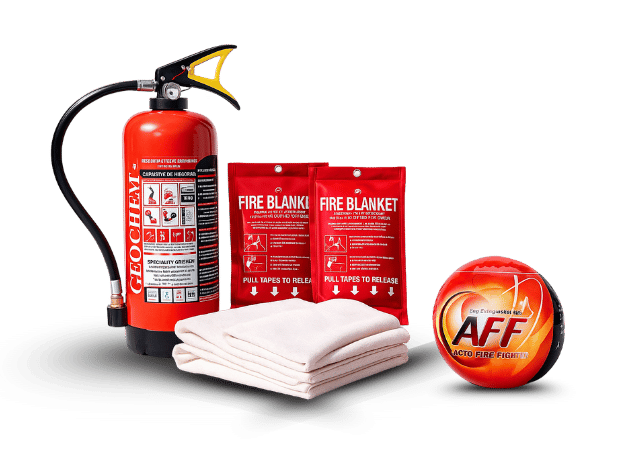
Fire Extinguisher for Home – Reliable Fire Protection for Your Family
A Fire Extinguisher for Home is an essential safety device that helps you respond quickly when a small fire starts in your house. Fires can begin unexpectedly due to kitchen accidents, electrical short circuits, cooking oil, gas leaks, candles, appliances, or other household hazards. Having the right fire extinguisher for home use nearby can help control a fire before it spreads and becomes a serious emergency.
- 🛡️ Quick Protection During Emergencies
A fire extinguisher helps you respond quickly to small fires before they spread and cause greater damage. - 🏠 Ideal for Everyday Home Fire Risks
Suitable for common household fire risks involving cooking materials, paper, wood, flammable liquids, and certain electrical equipment. - 👨👩👧👦 Extra Safety for Your Family
Keeping a suitable fire extinguisher at home provides an additional layer of protection for your family and property. - 🔥 Easy to Keep Within Reach
Place your fire extinguisher in an
Best Fire Extinguisher for Home
Choosing the best fire extinguisher for home depends on the types of fire risks present in your property. Different extinguishers are designed for different classes of fire, so selecting the appropriate type is important.For many homes, an ABC dry chemical powder extinguisher can be a practical option because it is designed to handle several common fire types, including fires involving ordinary combustible materials, flammable liquids, and certain electrical equipment.Before purchasing a residential fire extinguisher, always check its fire-rating, certification, size, intended application, and manufacturer instructions.

Choose the Right Fire Class
The best fire extinguisher for home should match the fire risks in your property. Different extinguishers are designed for different fire classes.

Multi-Purpose Protection
ABC dry chemical powder extinguishers can provide protection against common Class A, B and C fire risks, making them a practical option for many residential settings.

Ideal for Residential Areas
A suitable fire extinguisher for home use can be kept in kitchens, garages, utility areas and other accessible locations where fire hazards may occur.

Protection Against Electrical Fire Risks
For energized electrical equipment, BIS guidance identifies powder, CO₂, clean-agent or suitable water-mist extinguishers that have been tested for that application.

Look for Required Indian Standards
Portable fire extinguishers in India are covered by IS 15683:2018, and fire extinguishers are subject to the applicable BIS certification requirements.

Easy Access & Regular Maintenance
Keep your home extinguisher in an easily accessible location and ensure it is inspected and maintained according to applicable requirements and the manufacturer's instructions.
Household Fire Extinguisher for Different Fire Risks
Not every fire is the same. Understanding different fire risks helps you choose the right fire extinguisher for your home.
Class A Fires
Fires involving wood, paper, cloth, cardboard and other ordinary combustible materials.
Class B Fires
Fires involving flammable liquids such as petrol, oils, paints and certain solvents.
Electrical Fire Risks
Electrical equipment can create fire hazards. Use an extinguisher specifically suitable and rated for the application.
Kitchen Fire Risks
Cooking oils and fats can create dangerous fires. Never use water on a cooking-oil fire; use suitable fire-fighting equipment.
Why Choose Graha Kavach for a Residential Fire Extinguisher?
| 🔥 | Card Heading | Short Content |
|---|---|---|
| 🪵 | Class A Fires | Fires involving wood, paper, cloth, cardboard and other ordinary combustible materials. |
| 🛢️ | Class B Fires | Fires involving flammable liquids such as petrol, oils, paints and certain solvents. |
| ⚡ | Electrical Fire Risks | Electrical equipment can create fire hazards. Use an extinguisher specifically suitable and rated for the application. |
| 🍳 | Kitchen Fire Risks | Cooking oils and fats can create dangerous fires. Never throw water on a cooking-oil fire; use suitable fire-fighting equipment. |
Fire Extinguisher for Home – Important Safety Tips
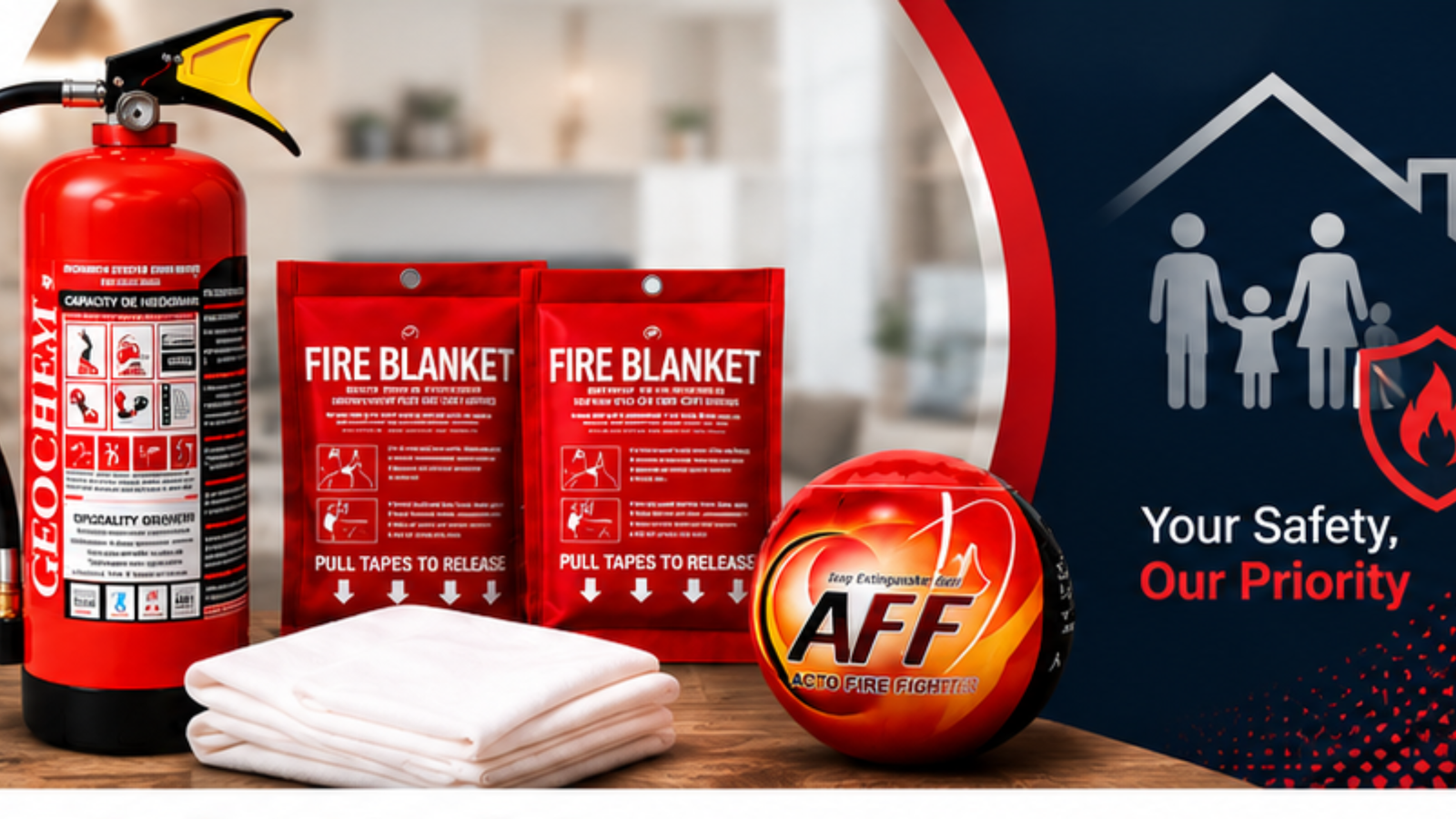
A small fire can turn into a major disaster within seconds, which is why being prepared before an emergency happens is so important. Keeping a suitable Fire Extinguisher for Home in an easily accessible location can help you respond quickly to a small fire when it is safe to do so. Homeowners should stay aware of common fire risks such as cooking accidents, electrical faults, gas leaks, candles, heating appliances, and flammable materials.
Be Prepared
Be Aware
Act Fast
Stay Safe
Important Safety Tips for Your Home

Plan & Practice
Make a fire escape plan and do regular drills. Being prepared can save valuable lives.

Educate Your Family
Teach children about fire safety and what to do in case of a fire emergency.

Check Electricals
Inspect wires and appliances regularly. Avoid using damaged plugs or switches.
Be Careful in the Kitchen
Never leave cooking unattended; turn off gas and keep flammables away.

Clear Escape Routes
Keep doors, windows and pathways clear for easy exit during emergencies.

Learn How to Use
Learn PASS technique, practice regularly, and ensure everyone knows basic fire safety.
Know Your Risks
Identify fire hazards like cooking oil, gas leaks, electrical faults and overloaded sockets.

Regular Maintenance
Check your fire extinguisher regularly. Ensure it is fully charged and easily accessible.
FAQ
1. What is the best fire extinguisher for home use?
The best Fire Extinguisher for Home depends on the types of fire risks present in your property. For many homes, an ABC dry chemical powder extinguisher is a practical choice because it can address several common classes of fire. However, kitchens, electrical areas, garages, and other spaces may have different risks. Always check the extinguisher's fire rating, intended application, certification, and manufacturer instructions before purchasing.
2. Why should I keep a fire extinguisher at home?
A fire extinguisher for home use provides an important first-response option when a small fire occurs. Fires can spread rapidly, especially around kitchens, electrical equipment, paper, furniture, and other combustible materials. Having a suitable extinguisher in an accessible location can help you respond quickly when it is safe to do so. It should be considered part of a broader home fire-safety plan that includes prevention, smoke alarms, evacuation planning, and emergency preparedness.
3. Where should I keep my household fire extinguisher?
A household fire extinguisher should be kept in a location that is easy to see and reach quickly. Common locations may include near the kitchen entrance, an accessible exit, garage, utility area, or another location with a recognized fire risk. Avoid placing the extinguisher where a developing fire could prevent you from reaching it. It should also be protected from unsuitable environmental conditions and stored according to the manufacturer's instructions.
4. Which fire extinguisher is suitable for kitchen fires?
Kitchen fire risks can vary depending on whether the fire involves wood or paper, flammable liquids, electrical equipment, or cooking oils and fats. The appropriate extinguisher should therefore be selected according to the specific fire classification and product rating. Never throw water onto a cooking-oil fire, as water can cause burning oil to spread dangerously. Follow the extinguisher manufacturer's instructions and use only equipment specifically suitable for the type of fire involved.
5. Can I use a fire extinguisher on an electrical fire?
Only use a fire extinguisher that is specifically rated and suitable for the electrical-fire application. Electrical equipment can remain energized and create additional hazards, so using the wrong extinguishing agent may be dangerous. If it is safe to do so, isolate the electrical supply without putting yourself at risk and follow the extinguisher's instructions. If the fire is growing or you are uncertain about using an extinguisher, evacuate and seek professional emergency assistance.
6. Can I use water with a household fire extinguisher?
Water is not suitable for every type of fire. It should not be used on burning cooking oil or on certain electrical or flammable-liquid fires because it can make the situation more dangerous. The correct extinguishing agent depends on what is burning. Before using any domestic fire extinguisher, check its label and fire classification and follow the manufacturer's instructions.
7. How do I use a fire extinguisher at home?
If a fire is small, you have a clear escape route, and you are confident that it is safe to act, follow the instructions printed on the extinguisher. Many portable extinguishers are taught using the PASS method: Pull the pin, Aim at the base of the fire, Squeeze the handle, and Sweep from side to side. Keep a safe distance and never allow the fire to block your escape route. If the fire becomes larger or uncontrollable, evacuate immediately.
8. How often should a residential fire extinguisher be checked?
Your residential fire extinguisher should be checked and maintained according to the manufacturer's instructions and applicable safety requirements. Regular checks can help identify visible damage, corrosion, pressure problems where applicable, blocked components, leakage, or other issues. Professional inspection or servicing may be required depending on the extinguisher type and local requirements. Do not rely on an extinguisher that appears damaged, discharged, or otherwise unfit for use.
9. Is an ABC fire extinguisher good for a home?
An ABC extinguisher can be a practical option for many residential environments because it is designed for multiple common fire classifications. However, "ABC" does not mean it is automatically the right solution for every possible household fire. Particular risks, especially cooking-oil fires, may require different equipment. Always check the product's fire rating and intended applications before selecting an Fire Extinguisher for Home.
10. How many fire extinguishers should I keep in my home?
There is no single number that is appropriate for every home. The number and placement depend on factors such as property size, layout, number of floors, kitchen location, garage, electrical equipment, and other fire hazards. Extinguishers should be positioned so that they can be reached without exposing occupants to unnecessary danger. For larger residential properties, professional fire-safety guidance can help determine appropriate placement and coverage.
11. What other fire safety equipment should I keep at home?
A fire extinguisher is only one part of a complete home fire-safety setup. Depending on your property and risk level, useful fire safety equipment for home can include smoke alarms, fire blankets, appropriate fire detection devices, emergency lighting, and fire-safety signage. You should also maintain clear escape routes and have an emergency evacuation plan. Combining equipment with good fire-prevention habits provides a stronger overall approach to household safety.
12. Can children use a fire extinguisher?
Children should not be expected to fight a fire. Adults should be responsible for using fire extinguishers when it is safe and appropriate to do so. Children should instead be taught basic fire-safety behavior, including how to raise an alarm, leave the building, avoid hiding, and meet at a designated safe location. The priority during a serious fire should always be evacuation rather than attempting to fight the fire.
13. What should I do if a small fire cannot be controlled?
If an extinguisher does not quickly control a small fire, the fire is spreading, smoke is becoming heavy, or you feel unsafe, stop trying to fight it and evacuate immediately. Close doors behind you if possible without delaying your escape, warn others, and move to a safe location. Do not return inside for personal belongings. Contact the appropriate emergency services and allow trained firefighters to handle the situation.
14. How can I prevent fires in my home?
Fire prevention starts with everyday habits. Never leave cooking unattended, keep flammable materials away from heat sources, turn off gas appliances after use, avoid overloading electrical outlets, inspect damaged electrical cords, keep heaters away from combustible materials, and maintain smoke alarms. Candles and other open flames should never be left unattended. Keeping a suitable fire extinguisher for home use readily accessible adds another layer of preparedness.
15. Why is a fire extinguisher important for complete home fire safety?
A Fire Extinguisher for Home can provide an additional layer of protection when a small fire occurs and it is safe to respond. However, an extinguisher should never be considered a substitute for prevention, smoke detection, evacuation planning, or professional firefighting. The most effective approach combines suitable fire safety equipment for home, regular maintenance, fire-safe habits, and an emergency plan that every member of the household understands. Preparing before an emergency happens can help you react more calmly and safely when seconds matter.